
Shortlist Car Body Styles Before Applying for a Loan
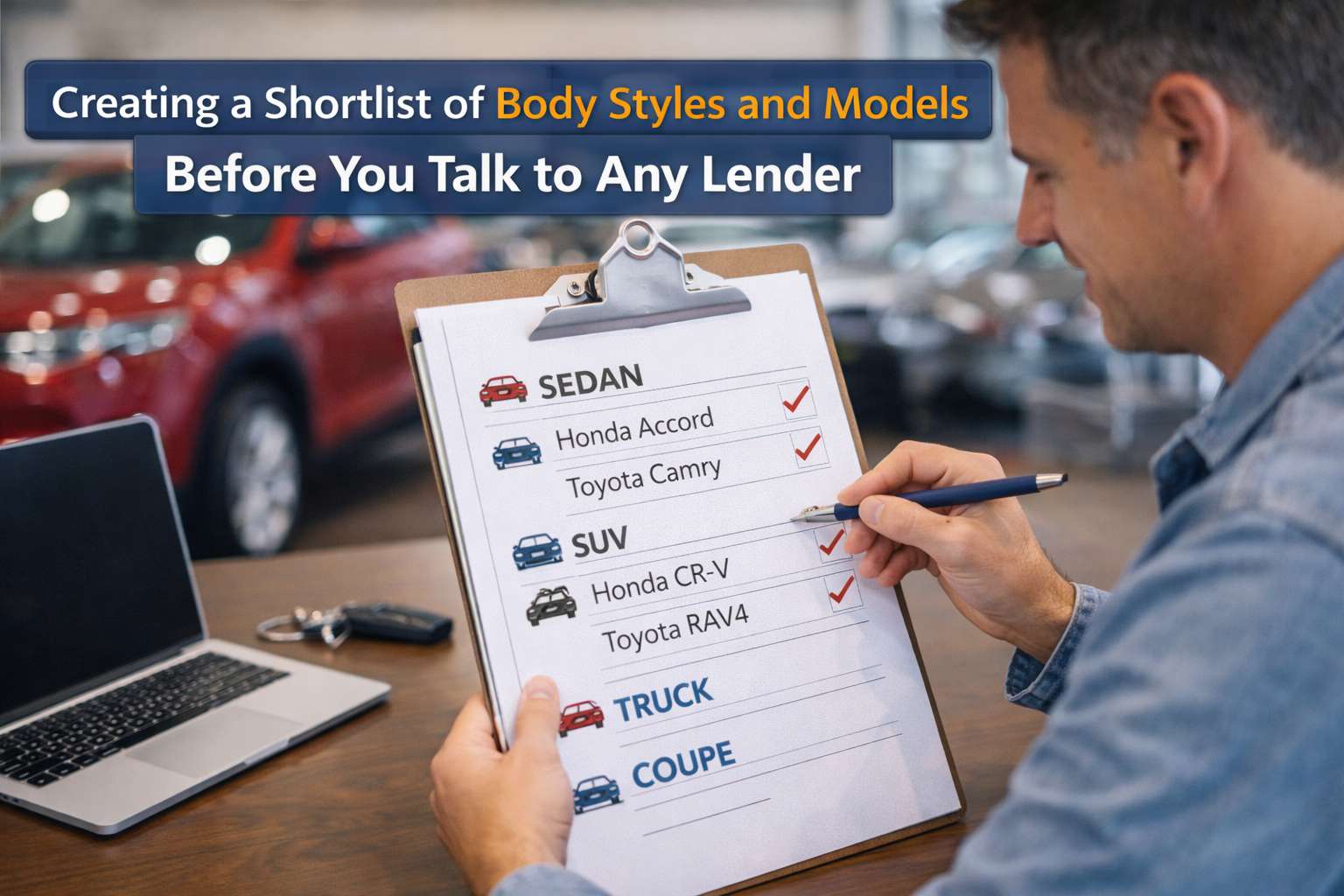
When you’re rebuilding credit, the car buying process can feel backwards. Many people apply for financing first and only think about the vehicle afterward. But creating a shortlist of body styles and models before you talk to any lender can make the process smoother, faster, and less stressful. It helps you stay realistic, protect your budget, and avoid getting approved for more than you can comfortably afford. If you’re shopping with bad credit or limited savings, planning your vehicle choice first gives you a serious advantage.
Why Shortlisting Before Applying Matters
If you walk into a financing conversation without knowing what type of vehicle you want, you risk making decisions under pressure.
Lenders look at more than your income and credit score. They also consider:
- Vehicle age
- Mileage
- Market value
- Reliability
- Insurance cost
By narrowing down your options early, you avoid wasting time on vehicles that won’t qualify or that stretch your budget too thin.
Planning first reduces emotional decisions later.
Step 1: Choose the Right Body Style for Your Needs
Start by asking: what do you truly need this vehicle to do?
Sedan
- Generally lower purchase price
- Better fuel efficiency
- Lower insurance costs
Sedans often work well for commuters, first-time buyers, and budget-focused drivers.
SUV
- More cargo space
- Higher driving position
- Good for families or winter driving conditions
SUVs can be practical but typically come with higher purchase prices and fuel costs.
Hatchback
- Compact size
- Flexible storage
- Strong fuel economy
Hatchbacks are often overlooked but can offer great value for city drivers.
Pickup Truck
- Useful for trades or hauling
- Higher resale value in some markets
However, trucks usually cost more to insure and fuel.
Being honest about lifestyle needs helps you avoid overbuying.
Step 2: Research Reliable Models Within That Category
Once you’ve chosen a body style, look for models known for reliability and reasonable maintenance costs.
For example:
- Compact sedans often have lower repair costs.
- Certain SUVs are known for long-term durability.
- Some brands retain value better than others.
When you’re rebuilding credit, reliability is key. Unexpected repair bills can disrupt loan payments and payment history matters.
Focus on vehicles known for:
- Strong reliability ratings
- Widely available parts
- Moderate insurance premiums
A dependable vehicle protects both your transportation and your credit progress.
Step 3: Understand Lender Vehicle Guidelines
Not all vehicles qualify for financing, especially with credit challenges.
Many lenders have limits on:
- Maximum vehicle age
- Maximum mileage
- Salvage or rebuilt titles
For example, a 15-year-old high-mileage vehicle may be inexpensive but harder to finance.
By researching lender-friendly model years in advance, you avoid disappointment during the approval process.
Step 4: Estimate Total Ownership Costs Not Just Price
The vehicle’s sticker price is only part of the equation.
Before speaking to any lender, estimate:
- Insurance premiums
- Fuel costs
- Routine maintenance
- Seasonal tire needs (if applicable)
For example, a larger SUV may cost several thousand dollars more per year to operate than a compact car.
These costs affect your ability to make consistent payments — and consistency builds credit.
Choosing a vehicle that leaves financial breathing room is smarter than maximizing your loan approval amount.
Step 5: Set a Target Price Range
Based on your budget and ownership costs, decide on a comfortable price ceiling before financing discussions begin.
This keeps you in control when a lender says you qualify for more.
Approval amounts are based on formulas. Your comfort level should be based on real-life expenses.
A shortlist keeps your focus clear.
How This Strategy Helps With Bad Credit
Creating a shortlist before applying improves your position in several ways:
- You show lenders you have a clear plan.
- You avoid financing vehicles outside approval guidelines.
- You reduce emotional pressure during the buying process.
- You protect affordability, which supports credit rebuilding.
Preparation turns the experience from reactive to strategic.
Instead of asking, “What can I get approved for?”
You’re asking, “Does this vehicle fit my long-term plan?”
That mindset shift matters.
A Practical Example
Imagine two buyers:
Buyer A applies first and gets approved for $28,000. They stretch for a larger SUV with high insurance and fuel costs.
Buyer B creates a shortlist first and decides on reliable compact sedans under $20,000. Their payments and ownership costs stay manageable.
Over three years, Buyer B is more likely to maintain consistent payments, strengthen credit, and experience less financial stress.
Planning wins.
Frequently Asked Questions
Why should I shortlist car body styles before applying for a loan?
Shortlisting body styles before applying helps you stay within budget, avoid pressure, and focus on vehicles that are more likely to meet lender requirements.
Which car body style is usually best for buyers on a budget?
Sedans and hatchbacks are often strong budget-friendly options because they usually cost less to buy, insure, and fuel than larger vehicles.
Why does the type of vehicle matter to lenders?
Lenders often consider vehicle age, mileage, market value, reliability, and insurance cost when deciding whether a car qualifies for financing.
Should I look at total ownership costs or just the purchase price?
You should look at total ownership costs, including insurance, fuel, maintenance, and seasonal expenses, because affordability matters more than the sticker price alone.
How does shortlisting vehicles help if I have bad credit?
It helps you stay realistic, avoid vehicles outside lender guidelines, reduce financial stress, and choose a car that supports consistent payments and credit rebuilding.